



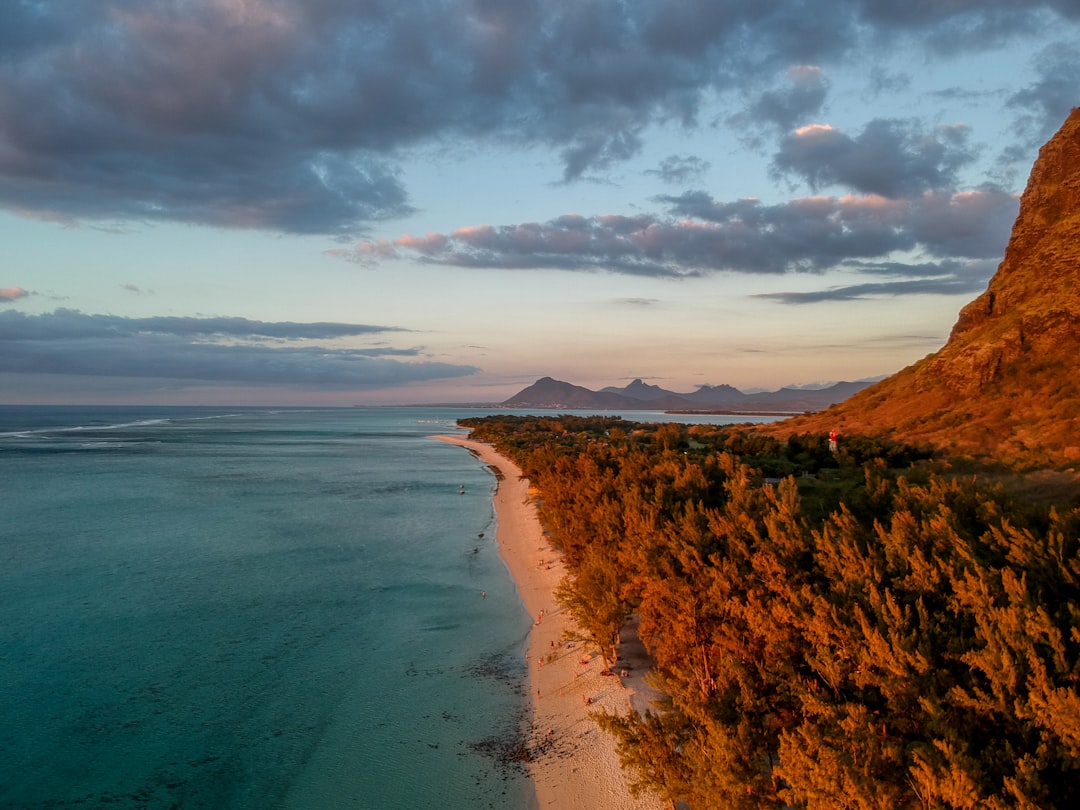
Two Seasons, Many Microclimates
Mauritius has a tropical maritime climate split into two broad seasons: a warm, humid period from around November to April, and a cooler, drier stretch from May to October. Even the “cool” season rarely feels cold — winter days typically sit in the low-to-mid twenties Celsius, while summer highs push into the low thirties. What changes more than the calendar, though, is geography: the east coast catches the prevailing trade winds and sees more rain, the west coast is drier and calmer, and the central plateau around Curepipe is noticeably cooler and wetter than the coast at any time of year. Picking a coast matters almost as much as picking a month.
May to October: The Dry Season
This is the island's peak period for good reason — low rainfall, comfortable humidity and steady southeast trade winds that make it prime time for kitesurfing and sailing, particularly around Le Morne. June and July bring reliably sunny weather, cooler evenings, and fewer crowds than the months that follow. July and August coincide with European school holidays and are the busiest and most expensive weeks of the year, so book well ahead if travelling then. September and October are often singled out as the sweet spot: winds ease, coastal lagoons calm down, and hotel rates start softening after the August peak, all while the weather stays dry and pleasant.
November to April: The Warm, Wetter Season
Summer in Mauritius is not a washout. Rain tends to arrive as short, heavy tropical showers rather than settling in for the day, and sea temperatures climb to a bath-warm 27–29°C, excellent for swimming and snorkelling. December brings a festive atmosphere and some of the year's most reliably sunny stretches, though hotels fill up and prices rise sharply around Christmas and New Year. January through March carries the greatest cyclone risk of the year; direct hits on Mauritius are uncommon, but a passing storm can still bring several days of heavy rain and rough seas. It is also the cheapest and quietest time to visit, and travellers happy to build in some flexibility are rewarded with a lush, green landscape and near-empty beaches between weather systems.
What to Plan Around Each Season
- Kitesurfing and sailing: June to October, when trade winds are most consistent
- Diving and underwater visibility: roughly October to March, when the seas are calmest
- Humpback whale migration: sightings are generally reported off Mauritius from around July through October or November
- Hiking: May to September, in cooler, drier conditions
- Big-game fishing: the marlin season runs broadly from November through March
The Bottom Line
If you want one answer: September and October combine dry, pleasant weather, calmer seas and prices that haven't yet hit the December peak, making them the most consistently recommended months to visit. But Mauritius rewards visitors at nearly any time of year — even the wet season brings long sunny mornings, dramatically green landscapes, and the lowest prices on the calendar for anyone willing to watch the forecast.
Whatever month you choose, it is worth checking a short-range forecast a few days before travelling rather than planning purely by season, since Mauritius's weather can shift quickly between coasts and even between mornings and afternoons on the same day. Pack for both sunshine and sudden showers year-round, and treat any official cyclone warning issued during your stay seriously — hotels and resorts are well practised at guiding guests through safety procedures, and warnings are lifted as quickly as they are raised once a system has passed.