



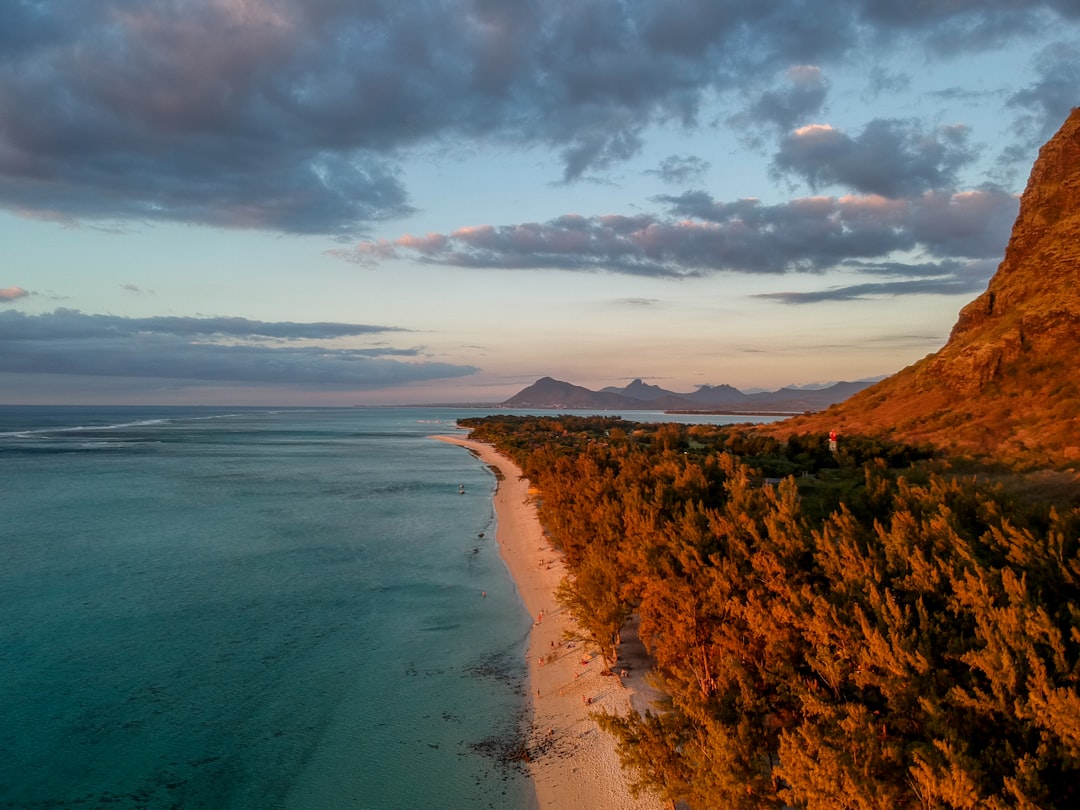
Mauritius is a warm, easygoing island where the biggest packing mistake is bringing too much rather than too little. Dress codes are relaxed almost everywhere, the climate stays mild year-round, and anything forgotten — a hat, reef shoes, an extra swimsuit — is easy and often inexpensive to buy locally. The one thing worth planning around is the island's two distinct seasons, which shape both the weather and the activities on offer.
Mauritius's Two Seasons
Mauritius sits in the Southern Hemisphere, so its seasons run opposite to Europe and North America. The warm, wet season runs roughly from November to April, with daytime temperatures commonly in the high twenties to low thirties (Celsius) and the heaviest rain — plus a small but real chance of a cyclone — concentrated between January and March. The cooler, drier season runs from May to October, with daytime temperatures typically in the mid-twenties, brisk south-east trade winds, and the driest, clearest stretch usually falling between July and September. Neither season rules out a good trip; they simply call for different suitcases.
What to Bring Whatever the Month
- Two swimsuits, so one is always dry, plus a rashguard for sun protection while snorkelling
- Reef-safe, high-SPF sunscreen, a wide-brimmed hat and UV-blocking sunglasses; the tropical sun is strong even under cloud
- Reef shoes for rocky lagoon entries, comfortable sandals for daily wear, and one pair of closed shoes for hiking or an evening out
- A light long-sleeved shirt or sarong that doubles as sun cover by day and shoulder coverage for temples and smarter restaurants by evening
- Insect repellent — mosquitoes are present year-round, especially around dusk
Packing for the Warm Season (November–April)
Favour breathable linen and cotton over synthetics that trap heat, and pack a compact rain jacket or poncho — tropical downpours arrive fast and heavy but rarely last long. This is also the peak underwater visibility season, so it's worth bringing a waterproof phone case or action camera. Evening wear can stay light and airy; Mauritius's version of dressing up rarely goes beyond a linen shirt or a cotton dress.
Packing for the Cool Season (May–October)
Add a light fleece or cardigan for evenings, boat trips and early starts, when wind chill on the water can catch visitors off guard. If your itinerary includes the central plateau or a dawn hike, pack an extra layer — altitude and wind can make the air feel noticeably cooler than the coastal average. This drier, breezier season is also when kitesurfing and windsurfing conditions on the east and west coasts are at their best, so pack accordingly if watersports are on the agenda.
For Specific Activities
Hikers should bring sturdy, closed-toe shoes with real grip — trails through Black River Gorges and around Le Morne Brabant can turn muddy and slick — plus enough water capacity for a couple of hours and a light rain layer. Divers and snorkellers get more from a personal, well-fitted mask than a rental one, alongside a quick-dry microfibre towel. Anyone visiting a temple or mosque should carry a scarf or sarong to cover shoulders and knees, which conveniently doubles as beach cover-up for the rest of the trip.
What You Can Leave Behind
Heavy denim is too hot and slow to dry in a tropical climate, and elaborate formal wear is rarely needed — even fine dining in Mauritius tends toward resort-smart rather than black-tie. There's no need to pack anything you'd be upset to lose to salt water or a sudden downpour. And leave some room in the suitcase: Mauritius's markets and boutiques sell beautiful, affordable local textiles, vanilla and rum that are worth bringing home.