



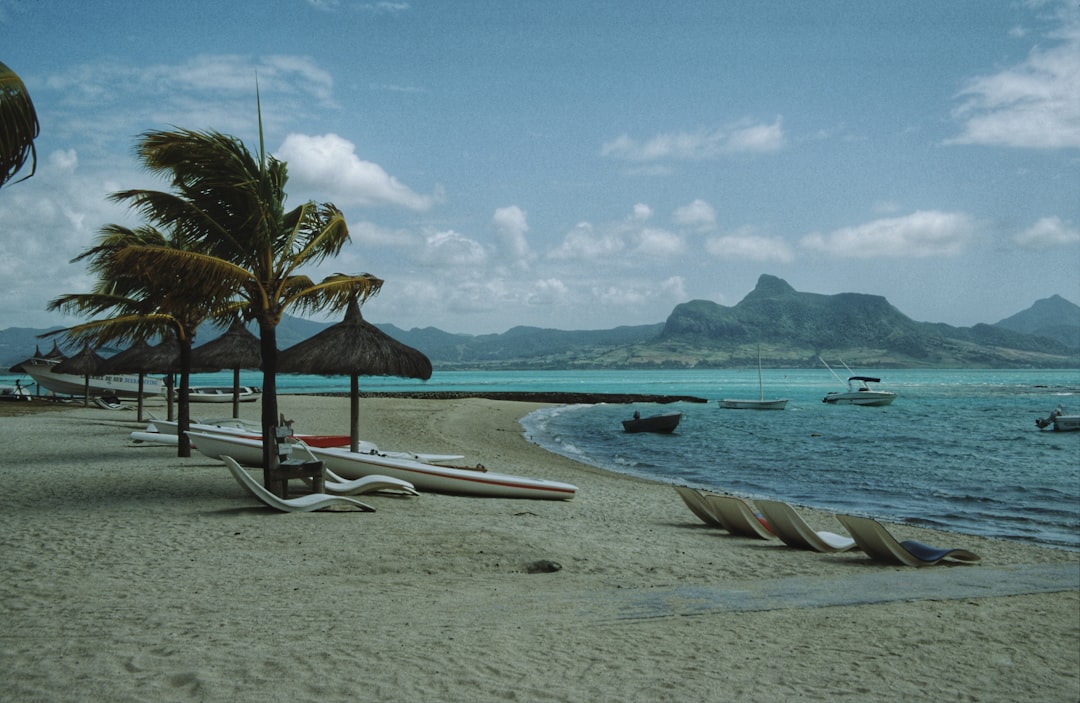
Mauritius rarely makes a surfer's shortlist next to Indonesia or Australia, yet the same barrier reef that shelters its calm lagoons also builds some genuinely serious waves along the west coast. Where ocean swell finds a gap in the reef, it stands up fast over shallow coral shelves, and a handful of breaks near Tamarin and Le Morne have quietly built a reputation among travelling surfers for decades. Crowds are still modest compared with the world's bigger surf destinations, and the culture around the water remains close-knit and locally rooted.
When to Go
The reliable season runs from roughly May to September, during the southern hemisphere winter. Swells generated far south in the Roaring Forties travel north and wrap onto Mauritius's west-facing coast, arriving with enough consistency that a week-long trip will usually find surfable waves on several days. Mornings tend to be cleanest, before the afternoon trade winds pick up and turn the surface choppy.
Tamarin Bay
Tamarin Bay is the island's best-known wave, a long left-hander that peels over a reef shelf near the mouth of the Rivière Tamarin. On a good swell it offers a genuine wall to ride from takeoff into the channel, and its reputation was cemented internationally by the 1970s surf documentary Forgotten Island of Santosha, which introduced the wave to a global audience. It still draws a loyal local crew, so newcomers should watch the lineup for a while, enter at the accepted spot, and be patient about priority. The reef sits close to the surface at low tide, so booties are a sensible precaution.
One Eye, Le Morne
Off the Le Morne peninsula, One Eye is Mauritius's most demanding wave — a fast, hollow left that can throw genuine barrels when a solid south or south-westerly swell wraps around the point. This is not a spot for anyone without real reef-break experience: the coral below is shallow enough to be exposed at low tide, and a fall in the wrong place can be punishing. Most surfers reach it by boat from La Gaulette rather than paddling out from shore, and going with a local operator for a first session is a sound way to learn the lineup and its hazards without unnecessary risk.
More of the Coast
Le Morne also offers a right-hand option, generally called Right of Le Morne, which works when the swell angle favours it, while Black Stone, between Le Morne and Tamarin, is a reef setup that can handle larger swells when the marquee spots are too crowded or too heavy. Further south, Rivière des Galets is a beach break rather than a reef, making it a friendlier option for surfers who want waves without the coral underfoot.
Getting Set Up
- Bring your own board if possible; local rental stock is limited and inconsistent in quality.
- A 6'0"–6'6" shortboard suits most reef setups, while a longer, fuller board is comfortable at Tamarin on smaller days.
- Reef booties, a light spring suit for cooler winter mornings, and a mineral-based sunscreen are all worth packing.
- Book a local guide for your first outing at any of the reef breaks — it is the fastest way to learn entries, exits and etiquette safely.
Beyond the Surf
Tamarin and neighbouring La Gaulette have grown into a relaxed base for visiting surfers, with good casual dining, a slower pace than the resort-heavy north, and easy access to Black River Gorges National Park for a hiking day when the ocean is flat. Come with respect for the local lineup and realistic expectations of your own ability, and the west coast rewards you with some of the best reef surfing in the Indian Ocean.