



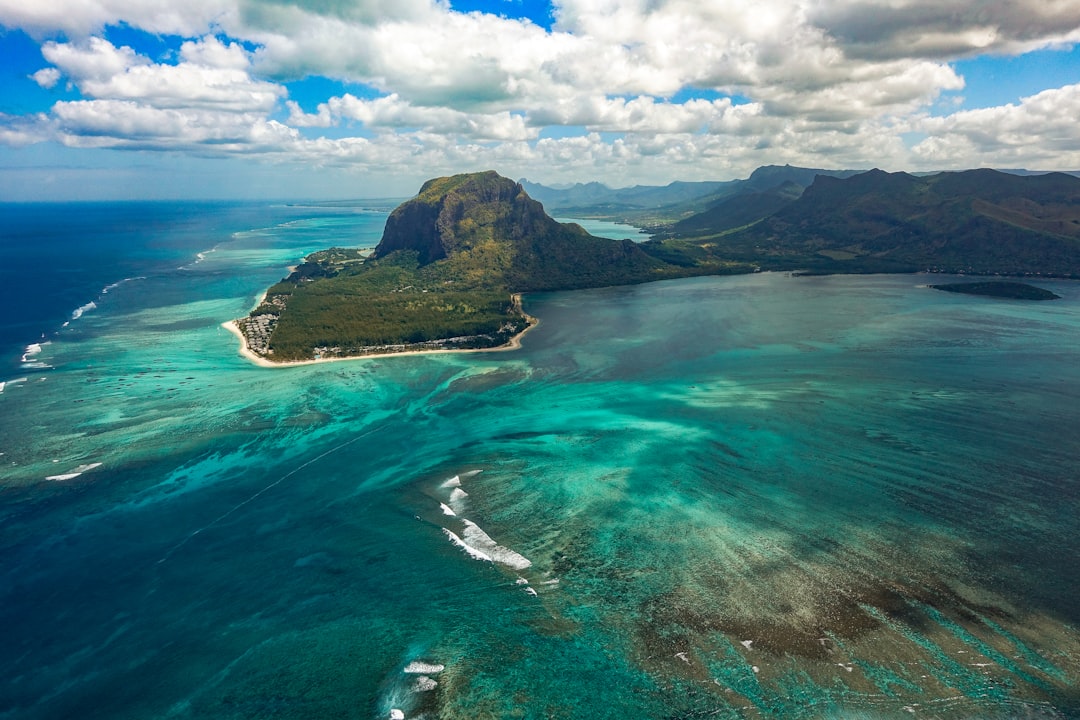
Mauritius's east coast sits behind an almost unbroken line of fringing reef, which turns the inshore water into a wide, shallow lagoon that rarely gets much deeper than chest height for a long way out. Before the trade winds build in the late morning, that lagoon can be almost perfectly still — warm, clear, and calm enough that a beginner can stand up and glide within minutes. It is one of the more forgiving stretches of coastline in the country for stand-up paddleboarding, without the swell of the west or the boat traffic that builds up around the busier north.
Where to Paddle
The long beach running from Belle Mare down to Palmar gives paddlers several kilometres of open, shallow water with the reef line visible as a pale ribbon offshore — an easy stretch for building confidence or simply cruising along the coast. Trou d'Eau Douce, a little further south, sits in a more sheltered bay and is a popular launch point for the short boat or paddle crossing toward Île aux Cerfs; more experienced paddlers sometimes make the crossing themselves, but only when the wind and water are calm, since open water beyond the reef is a different proposition from the lagoon. Poste Lafayette, in the island's north-east, is more exposed to the wind and has a rockier, wilder shoreline, which makes for a scenic but tougher paddle for those wanting a workout.
Chasing the Calm
The best window is early — roughly from first light until the trade winds strengthen, typically by mid-morning. In that quiet stretch, the lagoon turns glassy and gold-lit, shared mainly with fishermen checking pots and the odd heron working the shallows. A number of operators along the coast run guided sunrise sessions, including paddleboard yoga classes that pair the calm water with a gentle stretch — a pleasant, low-key way to start a day on the island.
Full-Moon Paddling
On clear nights close to the full moon, a handful of operators around Belle Mare and Trou d'Eau Douce run evening paddle outings, usually combined with a beach bonfire afterwards. Conditions have to be right — a calm lagoon and reasonable visibility — so these trips are typically weather-dependent and worth booking with some flexibility.
Costs and Gear
- Hourly board rental at most east coast hotels and independent operators runs roughly 500–800 MUR, with half-day rates around 1,500–2,500 MUR.
- A beginner lesson of around 90 minutes, including equipment, typically costs about 2,000 MUR.
- Reef shoes help when launching from rockier sections, and a rash guard is worth wearing given the long, unshaded exposure on open water.
- A dry bag strapped to the board is the simplest way to carry water and a phone.
A Few Cautions
Check the wind forecast before heading out — once the south-east trades pick up, usually by mid-morning, the lagoon turns choppy and paddling stops being relaxing. Stay inside the reef unless you are experienced and the conditions are genuinely calm, since currents and boat traffic in the passes can be unpredictable. With a little planning around the wind, though, the east coast lagoon offers some of the calmest, most scenic paddling anywhere on the island.