



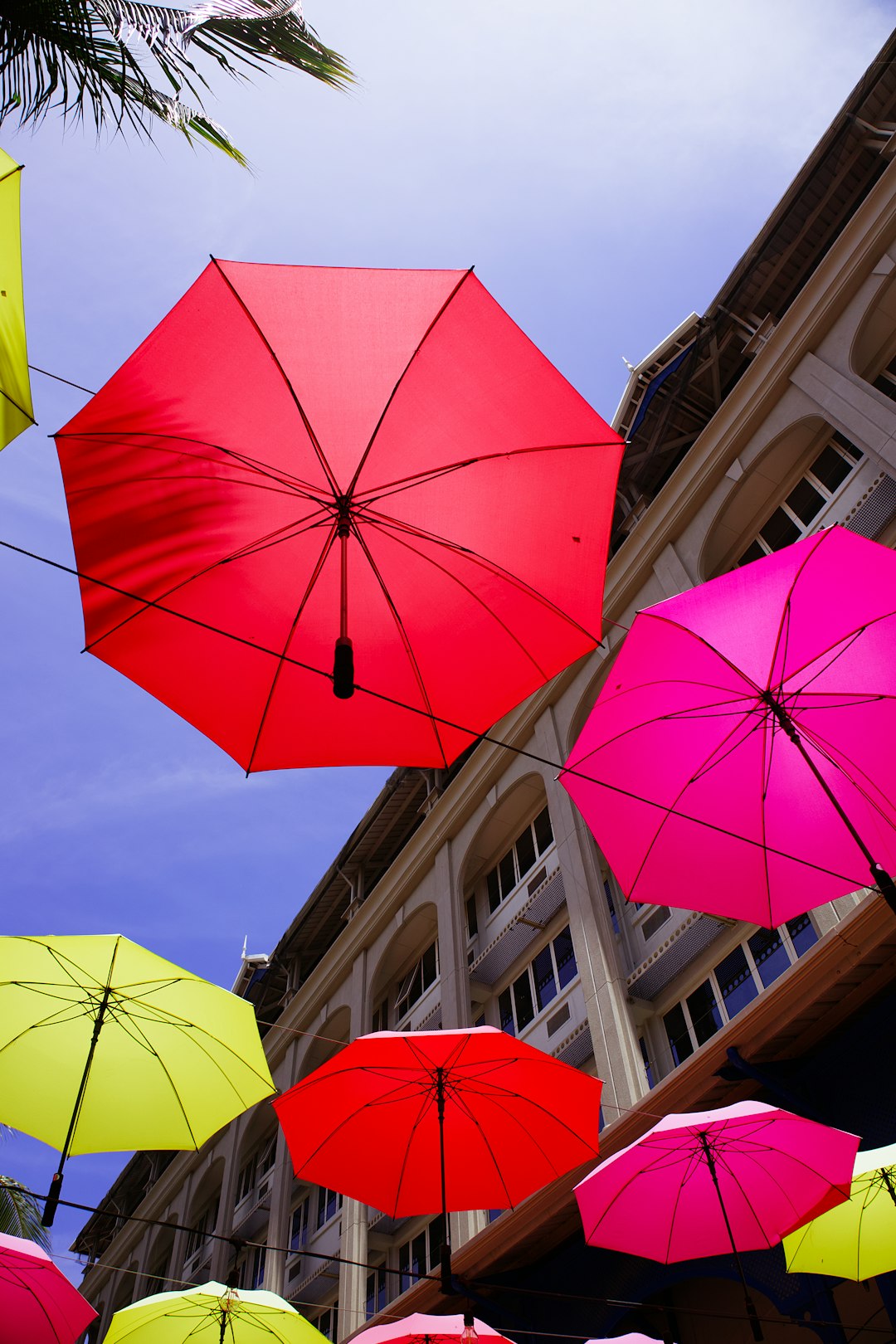
Port Louis runs on a different rhythm to the rest of Mauritius. Away from the coastal resorts, the capital is dense, loud and layered — a harbour city ringed by mountains, where colonial-era buildings sit alongside modern towers and the smells of a dozen cuisines drift through narrow streets. The Dutch first used its natural harbour in the early 1600s, and the French developed it into the island's administrative centre from the 1730s under governor Mahé de La Bourdonnais, naming it for Louis XV. That long, mixed history is still visible everywhere, and a weekend here shows a side of Mauritius that a beach holiday alone will miss.
Markets and Chinatown
Start at the Central Market in the early morning, when stallholders are setting out mountains of fruit, vegetables and spices and the food section is busiest. A breakfast of dholl puri or gâteaux piments here is a good introduction to Mauritian street food, and the upper floor is worth a browse for textiles, souvenirs and model ships. A short walk away, Chinatown reflects a Chinese-Mauritian community with roots going back to the 1700s — narrow lanes, herbal shops, and restaurants serving dim sum are all part of the draw, and lunch here is an easy way to spend an hour. Nearby, the 1850s Jummah Mosque and the neighbouring Kailasson Temple sit close enough together to make a point about the island's religious diversity.
History and Culture
The Aapravasi Ghat, a UNESCO World Heritage Site inscribed in 2006, marks the immigration depot where close to half a million indentured labourers — mostly from India, but also China and elsewhere — first arrived in Mauritius between 1834 and 1920, part of a labour system that reshaped the island's population after the abolition of slavery. The surviving structures are modest, but the story they tell is central to understanding modern Mauritius. Not far away, the Blue Penny Museum, which opened in 2001 near the Caudan Waterfront, holds the country's most celebrated philatelic treasures: two 1847 "Post Office" stamps, among the rarest in the world, shown to the public only periodically to protect them from light damage. The nearby Natural History Museum, free to enter, has a well-known reconstruction of the dodo alongside a modest collection of marine and geological exhibits.
The Waterfront
The Caudan Waterfront is Port Louis's modern face — a harbourside complex of shops, cinemas, craft stalls and restaurants that comes alive in the early evening as the heat eases and the port lights come on. It is a good base for dinner with a view of the working harbour, and a comfortable contrast to the market's intensity earlier in the day.
Street Art
Port Louis has developed a genuine street art scene over the past decade, with large-scale murals around Chinatown, the harbour, and the Aapravasi Ghat area, some referencing the city's immigration history and others purely decorative. A number of local operators run walking tours that take in pieces you would likely miss on your own.
Practical Notes
Port Louis is at its liveliest on a weekday or Saturday morning; many shops and restaurants scale back on Saturday afternoon and close on Sunday. Parking is limited and traffic can be heavy, so a bus in from your coastal accommodation is often the easier option. Wear comfortable shoes, carry water — the sheltered harbour setting makes the city noticeably warmer than the coast — and come hungry.