



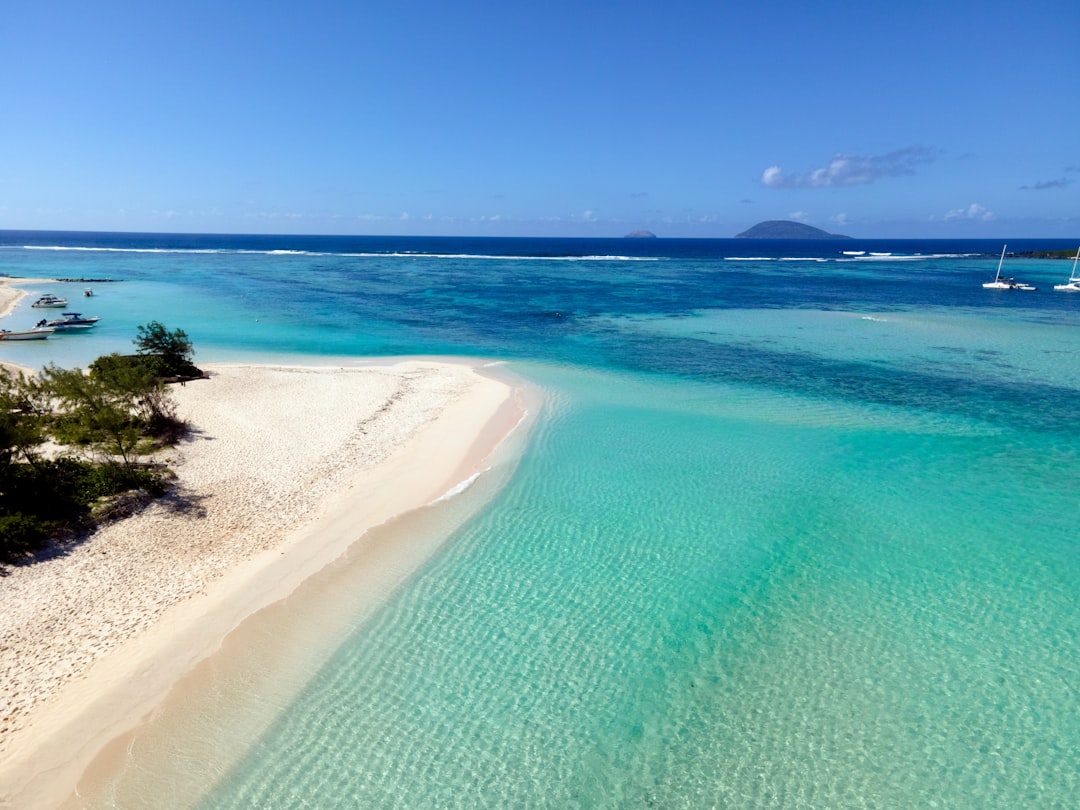
Mauritius is small enough that no coast is ever far from another, yet each of its four sides has a genuinely different character, shaped largely by how close the fringing coral reef sits to shore. Knowing which region suits the trip you want makes choosing a base — or planning a day trip — much easier, and can save a lot of unnecessary driving once you're on the island.
The North: Lively and Convenient
Grand Baie anchors the northern coast with its curving bay of restaurants and boat operators, but the better swimming is just around the headland. Trou aux Biches sits behind a protective reef that keeps its water calm, making it a strong choice for families. Mont Choisy runs for well over a kilometre of quieter sand shaded by filao trees, popular with Mauritian families at weekends, while Pereybere offers easy snorkelling directly off the beach in a compact, sheltered cove.
The West: Sunsets and Surf
Flic en Flac's long, gently shelving beach faces due west, which makes it one of the best places on the island to watch the sun go down behind Le Morne Brabant in the distance. Tamarin, a little further south, has a rougher, more natural feel and a reliable left-hand surf break that has made it a magnet for local and visiting surfers alike. Around the Le Morne peninsula itself, the shallow, reef-protected lagoon is better known for kitesurfing than sunbathing, but wading out into the warm, waist-deep water beneath the mountain is worth doing regardless.
The East: Calm and Expansive
Belle Mare is widely considered one of the finest beaches on the island — long, white, and backed by turquoise water that runs out to a distant reef line. It tends to be quieter than the northern beaches and rarely feels crowded even along its busier sections. A short boat ride from Trou d'Eau Douce reaches Île aux Cerfs, a small offshore island with sheltered beaches and clear water, popular for day trips that combine swimming with lunch at one of its beachfront restaurants.
The South: Wild and Dramatic
The south coast largely lacks the barrier reef that calms the other three sides, so the open Indian Ocean swell reaches the shore more or less directly — the water here is rougher and generally unsuitable for casual swimming. Gris Gris, where waves break against basalt cliffs, is a scenery stop rather than a beach day, best visited for the views and the walking trail along the coast. St Félix offers a smaller, calmer pocket sheltered by rocks, and travellers willing to combine a short hike with their beach time can find a quieter stretch of sand near Rochester Falls. This coast rewards those chasing dramatic landscape photography over a lazy afternoon in the water.
Choosing Your Coast
- Want restaurants, nightlife and easy boat trips? Base yourself in the north.
- After sunset views and surf culture? Head west.
- Travelling with family or want calmer, quieter sand? The east delivers.
- Want dramatic scenery over swimming? Explore the south as a day trip.
Given the island's compact size, it's entirely realistic to sample all four coasts across a single week-long trip — and most visitors who do come away with a different favourite than the one they expected.