



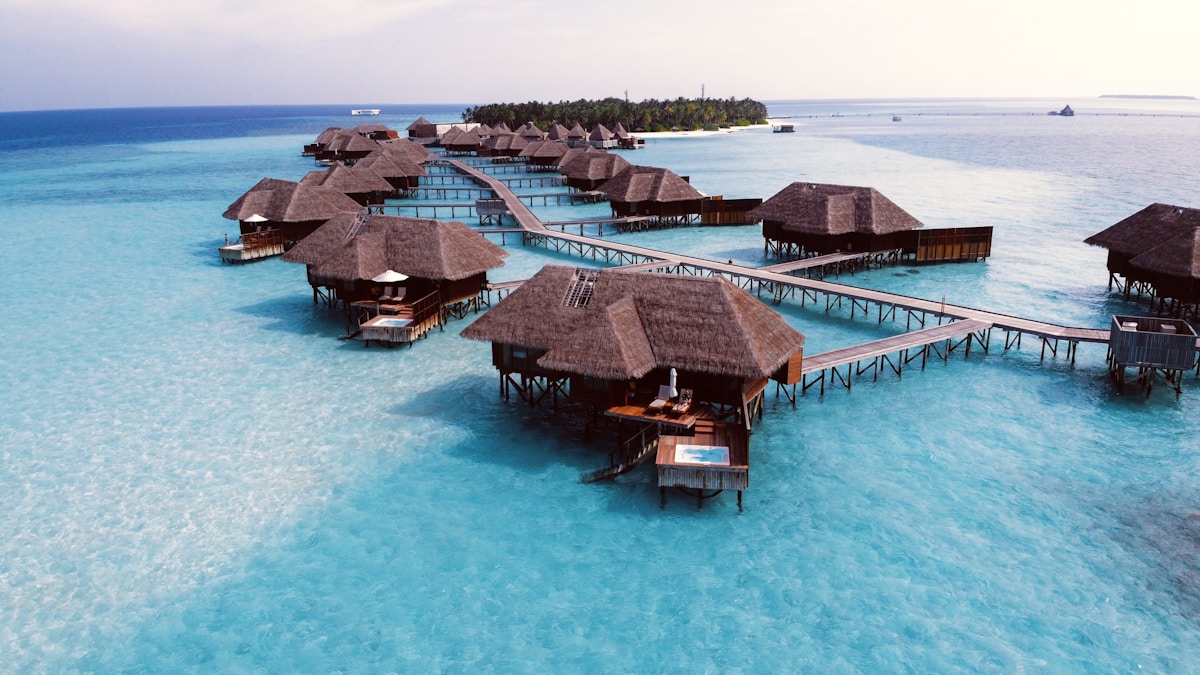
Rodrigues sits around 560 kilometres northeast of Mauritius, a volcanic outcrop with a population of roughly 43,000 people and a character entirely its own. Where mainland Mauritius has grown into a dense network of resorts, malls and highways, Rodrigues has largely stayed as it was: fishing villages, small-scale farming and a lagoon that ranks among the largest in the Indian Ocean relative to the size of the land it surrounds.
Getting There
Air Mauritius runs regular flights between Sir Seewoosagur Ramgoolam International Airport and Rodrigues, with a flight time of around one hour and thirty-five minutes covering roughly 600 kilometres. It's an easy add-on to a Mauritius trip, close enough for a long weekend but far enough that the pace of life feels genuinely different from the moment you land.
What Makes Rodrigues Different
The island's fringing reef is largely intact, which is increasingly rare in the Indian Ocean, and it encloses a shallow lagoon dotted with small islets that's ideal for snorkelling, kayaking and slow exploring by boat. Because tourism infrastructure here is modest, the diving and snorkelling feel less curated and more like discovering the reef for yourself.
Highlights Worth Building a Trip Around
- The François Leguat Giant Tortoise and Cave Reserve — Rodrigues's own endemic giant tortoises went extinct after European settlement, so the reserve reintroduced around 500 Aldabra giant tortoises from Seychelles, along with radiated tortoises, to fill the ecological role the originals once played. It also opens two lit limestone caves to guided tours, including the 500-metre Grande Caverne
- Anse aux Anglais — a sheltered, rarely crowded beach on the island's north coast
- Mont Limon — the island's highest point, reached by a short hike, with panoramic views over the lagoon and surrounding islets
- The Saturday market in Port Mathurin — honey, pickled lime, dried octopus and homemade chilli sauces sold by the women who make them
Where to Stay
Rodrigues has a small number of guesthouses and a handful of boutique hotels rather than the large resort chains found on the mainland. Staying at a family-run guesthouse is often the better way to experience the island — meals are typically home-cooked, and hosts are usually happy to point you toward beaches and walks that don't appear in guidebooks.
Diving and the Open Lagoon
Beyond the sheltered lagoon, the drop-off beyond the reef opens onto walls and channels favoured by pelagic species, and a small number of dive operators based near Port Mathurin run trips out to them. Because the reef here has avoided the heavy coastal development seen on parts of the mainland, dive guides often describe the coral cover as noticeably healthier, though visitors should still choose operators who follow no-touch, no-anchor-on-coral practices.
A Few Practical Notes
Rodrigues shares Mauritius's currency and visa arrangements, so no separate paperwork is needed for the trip. Pack for a slower pace: there's little nightlife, ATMs are less common outside Port Mathurin, and renting a car or scooter is the easiest way to get around once you land. Most restaurants and guesthouses expect cash for smaller purchases, so it's worth changing money before you arrive or withdrawing enough at the airport.