



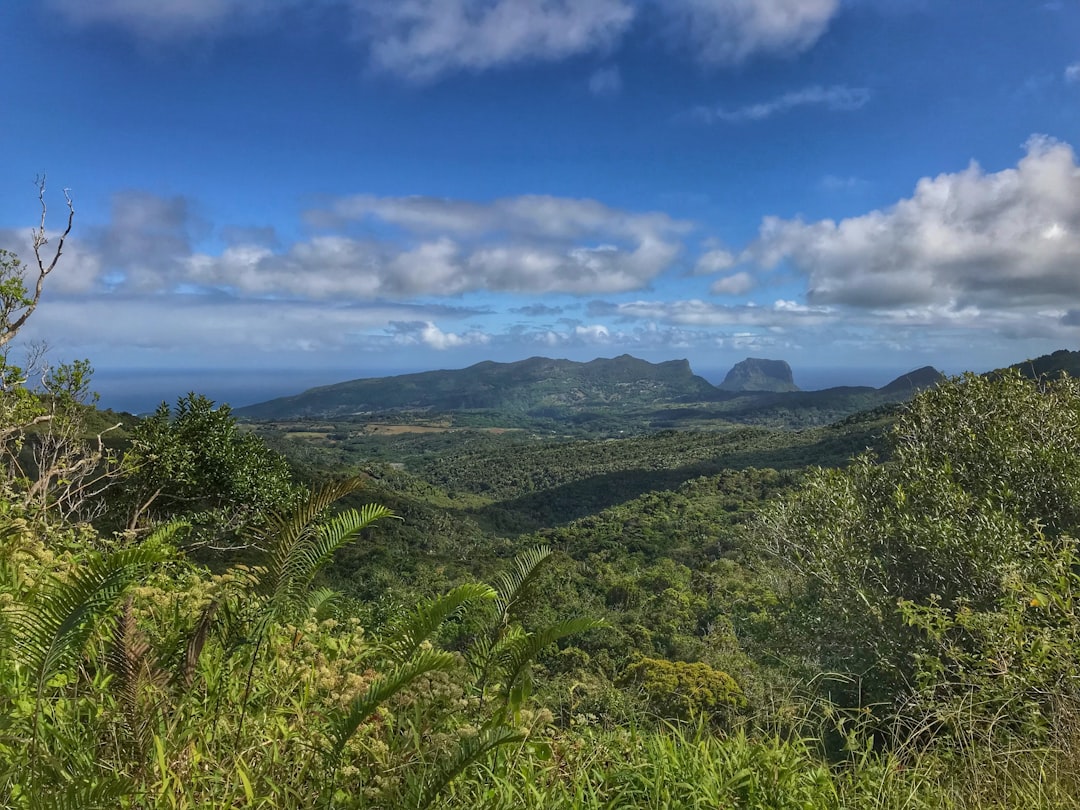
Mauritius is roughly 1,865 square kilometres of land supporting both a resident population and one of the busiest tourism economies in the Indian Ocean. That combination puts real pressure on water supplies, waste systems and a fringing coral reef that shelters some of the last habitat for species — like the Mauritius kestrel and pink pigeon — found nowhere else on Earth. None of that needs to change how a good trip feels; it just changes which operators and choices are worth favouring.
Where to Stay
A growing number of Mauritian properties treat sustainability as a design principle rather than a marketing line. SALT of Palmar, on the east coast, sources much of its restaurant menu from its own garden, avoids single-use plastics, and builds community-based excursions — cooking lessons, village visits — directly into its guest experience. Several of the island's larger resort groups have made measurable commitments too: coral restoration programmes, plastic-free initiatives and dedicated sustainability staff are now standard at a number of the bigger beachfront hotels, worth asking about directly when booking.
Hands-On Conservation
Mauritius has a genuinely active conservation sector that welcomes visitors as participants rather than spectators. The Mauritian Wildlife Foundation, which has spent decades pulling species like the pink pigeon and Mauritius kestrel back from the brink of extinction, runs guided visits to Île aux Aigrettes, a predator-free coral islet nature reserve off the southeast coast, where restored native forest and free-roaming giant tortoises make the results of that work visible. Inland, Black River Gorges National Park — the island's largest protected area — offers guided walks focused on the endemic plants and birds that survive there. On the coast, Blue Bay Marine Park, a designated marine protected area near Mahébourg, runs educational, reef-safe snorkelling that pairs a swim with a briefing on reef health and the coral bleaching pressures the area faces.
Getting Around With a Lighter Footprint
The island's small size makes low-impact travel genuinely practical rather than aspirational. The flat, quiet east coast suits cycling well; public buses connect every major town at low cost and offer a far more textured view of the island than a private transfer; and electric rental cars, though still limited in number, are increasingly available. For boat trips, ask operators about their engine type and their wildlife-viewing practices — a responsible dolphin- or whale-watching trip keeps a respectful distance and never chases or crowds a pod.
Everyday Choices That Add Up
- Eat at family-run table d'hôte restaurants rather than international chains — the money stays local
- Buy crafts and vanilla directly from market artisans rather than hotel gift shops
- Choose reef-safe sunscreen, and never stand on or touch coral while snorkelling
- Book locally owned guesthouses and independent tour operators where possible
The Flight You Can't Avoid
For nearly every visitor, reaching Mauritius means a long-haul flight, and that journey is the single largest part of the trip's carbon footprint — no amount of on-island choices offsets it entirely. Travellers who want to address this seriously can offset through a verified programme such as Gold Standard, and can reduce the per-day impact of the flight simply by staying longer rather than shorter.