



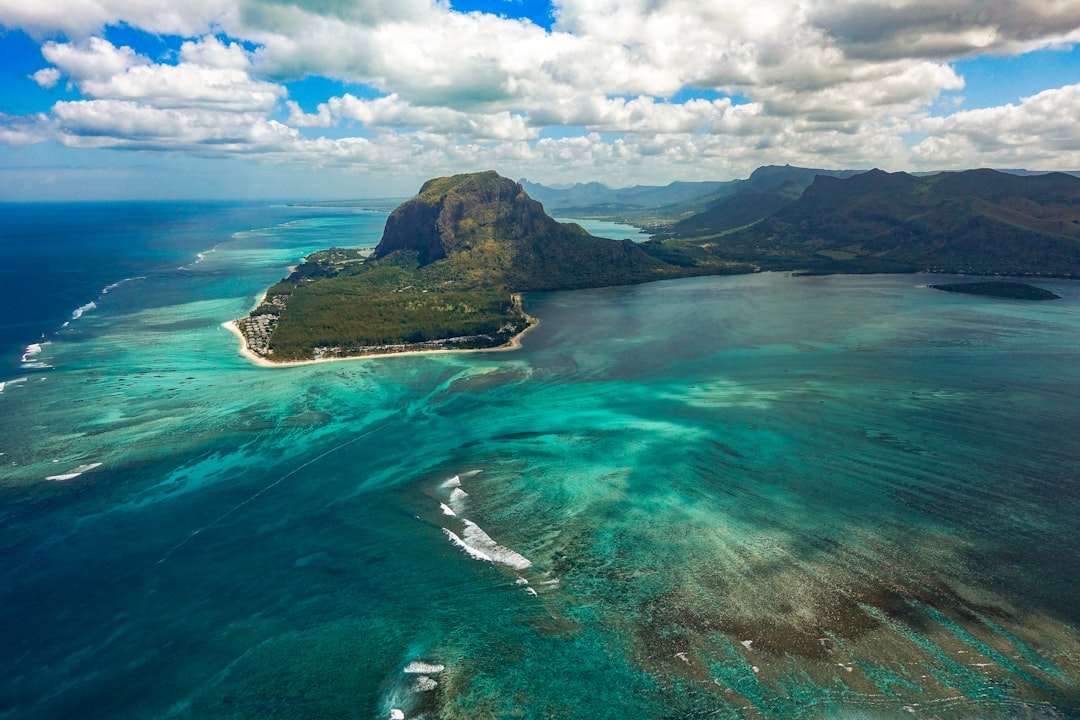
Most first-time visitors head instinctively to the busy north or the sunset-facing west, which leaves the east coast comparatively overlooked — despite being where many Mauritians themselves go to unwind. Running from around Roches Noires in the north to Mahébourg in the south, this stretch is defined by long white beaches, a shallow reef-protected lagoon, and small fishing villages linked by quiet roads. The pace is slower here, and the coastline feels less arranged for tourism than the country's more famous strips.
The Beaches
Belle Mare is the east coast's best-known beach — several kilometres of fine white sand backed by casuarina trees, with a run of upscale resorts that somehow never crowds the shoreline, thanks to its sheer length. Early mornings are the best time to see it, with fishing pirogues heading out as the light turns gold. Palmar runs on almost seamlessly to the south, matching Belle Mare for sand quality with noticeably fewer people, and is a favourite Sunday picnic spot for local families. Trou d'Eau Douce, a working fishing village with a small natural harbour, has a modest beach but plenty of character, along with a fish market and regular boat departures to Île aux Cerfs. Further north, Poste de Flacq and Poste Lafayette remain genuinely uncrowded, with long stretches of sand backed by little more than grass and the occasional guesthouse.
On the Water
The shallow, reef-sheltered lagoon suits low-impact water sports well. Stand-up paddleboarding is easy and calm, particularly at dawn before the trade winds rise, and kayaking out toward the reef line is a gentle way to spend a morning. At Poste Lafayette, where the wind is stronger and more consistent, kitesurfing conditions can be excellent. Île aux Cerfs, a short boat ride from Trou d'Eau Douce, remains the coast's headline attraction, with beaches, water sports and a golf course on a small private island — visiting midweek avoids the weekend crowds.
Beyond the Beach
Mahébourg, at the southern end of the coast, is a historic town with a small naval museum, a lively waterfront market, and streets that still carry colonial-era architecture. Its Monday market is one of the busiest and most authentic on the island, drawing shoppers from across the south-east rather than tourists specifically. The town also sits beside the bay where the 1810 Battle of Grand Port was fought, adding a quiet layer of history to a walk along its waterfront.
Where to Stay
Accommodation on the east coast spans the full range, from internationally known five-star properties around Belle Mare to smaller guesthouses and self-catering apartments in the coastal villages, with a solid tier of mid-range beachfront resorts in between offering good value without the flagship price tag.
Why It's Worth the Detour
The trade winds keep the east coast comfortably cool, the lagoon stays shallow and calm for swimming, and the lower density of development means a visit here feels closer to how Mauritius looked before large-scale tourism arrived. For travellers who have already ticked off the postcard beaches of the north and west, the east coast is where the island still feels like itself.