



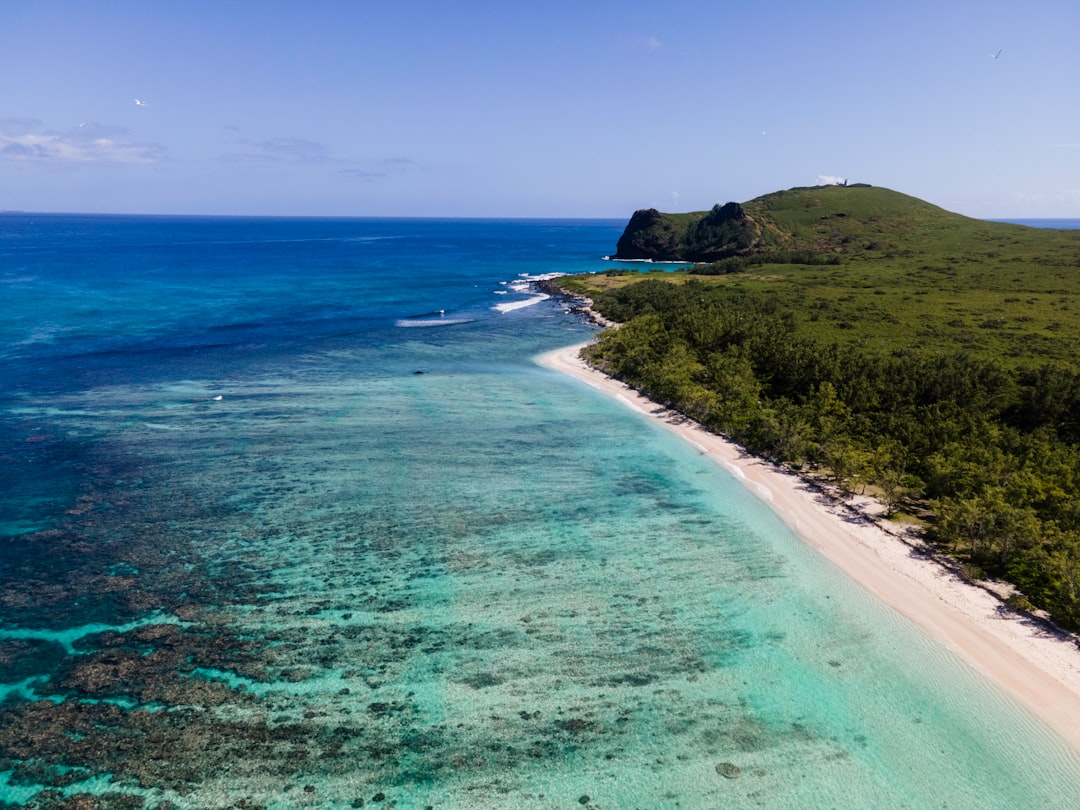
Mauritius rewards travellers who give it more than a week. The island's main landmass covers roughly 1,865 square kilometres — small enough to circle by car in a single day, yet layered enough that its north, west, south and east coasts each feel like a different destination. Ten days is about the amount of time it takes to actually notice that difference: to trade a lagoon sunset in the north for a mountain hike in the south, and a Port Louis market morning for a slow afternoon adrift on an east-coast lagoon.
Getting Your Bearings
Most international flights land at Sir Seewoosagur Ramgoolam International Airport in the island's southeast, which makes the east coast a genuinely convenient place to start or finish a trip. Renting a car is the easiest way to cover ground independently — Mauritius drives on the left, road signage is in English and French, and even the longest cross-island transfers rarely take more than 90 minutes. Travellers who prefer not to self-drive can arrange private transfers through their accommodation for each leg of the loop below.
Days 1–3: North Coast and the Capital
Base yourself around Grand Baie or Trou aux Biches, the island's liveliest lagoon towns, and spend the first day simply adjusting — swim, nap, watch the light change over the water. On day two, head out early for dolphin watching off Tamarin on the west coast; choose an operator that keeps a respectful distance rather than one promising guaranteed swims, since Mauritius's marine wildlife-viewing rules exist to protect the resident spinner dolphin pods from harassment. Spend day three in Port Louis: browse the Central Market for spices and street food, then visit the Blue Penny Museum on the waterfront, home to two of the rarest postage stamps in the world — the 1847 Mauritius "Post Office" Blue Penny and Red Penny, of which only a handful of each are known to survive.
Days 4–5: West Coast, Chamarel and the Gorges
Move to Flic en Flac or Tamarin for beach time, sunset views and, for certified divers, a morning on one of the west coast's dramatic drop-off reef sites. Dedicate day five to the interior: the Seven Coloured Earths at Chamarel, dune-like mounds of volcanic soil striped by minerals that cool and oxidise at different rates; the nearby Chamarel waterfall; and a stop in Black River Gorges National Park, the island's largest protected area and the last stronghold of endemic birds such as the Mauritius kestrel and pink pigeon, both pulled back from the brink of extinction by decades of dedicated conservation work.
Days 6–7: Le Morne and the Wild South
Le Morne Brabant, the basalt monolith anchoring the island's southwest tip, is worth the guided climb for the lagoon view alone — but its deeper significance is historical. In 2008, UNESCO inscribed the Le Morne Cultural Landscape as a World Heritage Site in recognition of the mountain's role as a refuge for escaped slaves, or maroons, in the eighteenth and early nineteenth centuries; it remains one of the most important memorial sites in the Indian Ocean's history of slavery and resistance. Spend day seven along the wilder south coast — the Gris Gris cliffs, Rochester Falls, and Bois Chéri, the island's oldest tea estate, set on a ridge with sweeping valley views.
Days 8–9: East Coast Lagoons
The east coast, sheltered by an almost continuous barrier reef, holds the calmest water on the island. Base yourself near Belle Mare or Trou d'Eau Douce for two unhurried days: a boat trip out to Île aux Cerfs for its beaches and kayaking, a slow morning on a paddleboard, and — if time allows — an afternoon in Mahébourg, whose waterfront and small naval museum trace the island's colonial and maritime history.
Day 10: Departure
With the airport close by, a final morning here is easy to fill: one more swim, or a detour north to the Sir Seewoosagur Ramgoolam Botanical Garden in Pamplemousses. Founded in 1770 by the French botanist Pierre Poivre, it is one of the oldest botanical gardens in the Southern Hemisphere and still centres on a pond of giant Victoria amazonica water lilies alongside dozens of palm varieties gathered from across the tropics.
Planning Notes
- Book diving, hiking guides and boat trips directly with local operators rather than through a hotel desk — prices are often noticeably lower.
- Split accommodation between one or two nights of resort comfort and several nights in smaller guesthouses to keep both budget and character intact.
- Lunch at markets and small roadside kitchens; save restaurants for dinner — it's the cheapest way to eat well.
- The island's best moments — a lagoon at first light, a market stall, a ridge-top view — rarely cost anything at all.